



Aanandhalakshmi.D
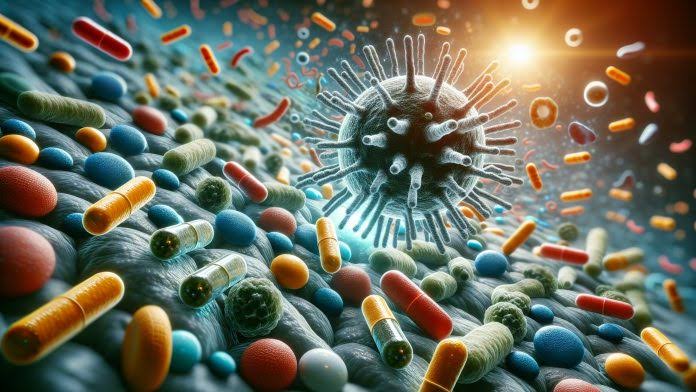
Antimicrobial resistance occurs when bacteria, fungi, and other microorganisms learn to resist the medications meant to kill them. Treatment for resistant infections can be challenging and perhaps impossible. Antimicrobial resistance is a process that happens naturally. However, a combination of bacteria exposed to antibiotics and antifungals, as well as the dissemination of those bacteria and their resistance mechanisms, is what causes an increase in antimicrobial resistance.
Antibiotic resistance does not imply that our bodies cannot be treated with antibiotics or antifungals. It denotes that the infection-causing bacteria or fungi are immune to the antibiotic or antifungal treatment.
When the presence of antibiotics and antifungals forces bacteria and fungi to adapt, antimicrobial resistance is increased. The microorganisms that are resistant to antibiotics endure and proliferate. The DNA of these surviving microbes contains resistance features that they can pass on to other microbes.
Resisting techniques The germ’s resistance mechanisms are determined by the specific proteins that DNA instructs the germ to produce. Many different forms of resistance genes can be found in bacteria and fungi. The perfect combination of resistance mechanisms in bacteria that are already difficult to treat can render all antibiotics and antifungals useless, leading to illnesses that are untreatable. Unsettlingly, bacteria that are resistant to antibiotics or antifungals might exchange their resistance mechanisms with other bacteria.
There is antimicrobial resistance everywhere in the world. It can spread quickly across borders and into locations like hospitals, farms, the community, and the environment thanks to modern trade and travel.
CONCLUSION:
Some bacterial illnesses might not require the use of all medicines. Colds, the flu, or viral diseases are not treated by antibiotics. If we don’t use antimicrobials to treat infections, it results in another serious therapy with additional side effects and major health problems.
Antibiotics, antimicrobials, culture tests, and other lab tests can all be used to treat infectious diseases, and these procedures and treatment strategies can help determine the proper dosage for a certain infection. These are increasingly crucial in the fight against antibiotic resistance. To prevent antimicrobial resistance, an antimicrobial stewardship programme must be established at all healthcare facilities, including hospitals and clinics.