



Lokesh Heera Singh
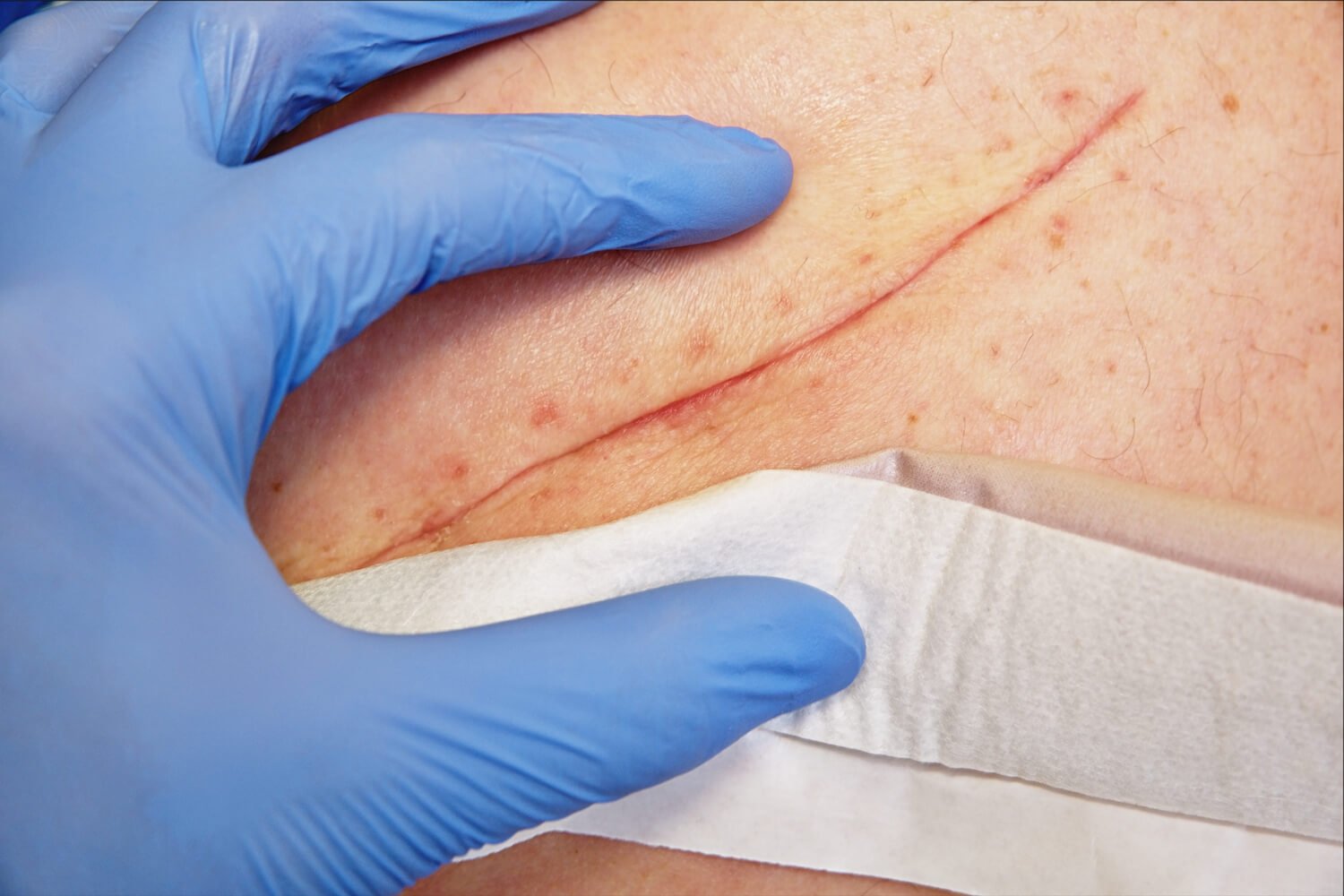
Once an SSI is diagnosed, an appropriate and timely treatment plan should be initiated to avoid complications like sepsis, extended hospital stays, or even death. The type of SSI (superficial, deep, or organ/space), the causative pathogen involved, and the condition of the patient dictate the treatment plan. This section further elucidates the treatment strategies, antibiotic therapy, and surgical procedures specific to SSIs in India, along with drug names, dosages, and their availability in the Indian market.
Classification of SSIs and Their Treatment
SSIs are classified based on the severity and spread of infection:
- Superficial Incisional SSIs: Involves skin and subcutaneous tissue only.
- Deep Incisional SSIs: It involves deeper soft tissues such as fascia and muscle.
- Organ/Space SSIs: Any part of the anatomy that was opened or manipulated during surgery, except for the skin, muscle, or fascia.
Superficial Incisional SSIs: First-Line Treatment
For localized infections, redness, tenderness and slight purulent discharge are common manifestations. Treatment often involves the following:
Antibiotics: Antibiotic therapy, empiric targeted to common pathogens such as Staphylococcus aureus and Streptococcus species. The most commonly prescribed antibiotics are the following:
Cefuroxime: A second-generation cephalosporin, cefuroxime is effective against Gram-positive cocci and some Gram-negative bacteria. The dose is usually 500 mg orally, twice daily for 5-7 days and marketed under Zinnat.
Amoxicillin-Clavulanate: Active against beta-lactamase-producing organisms. The dosing is 875 mg of amoxicillin with 125 mg of clavulanic acid orally twice daily, available as Augmentin.
When there is a history of penicillin allergy, Clindamycin at a dose of 150-300 mg every 6 hours, available as Dalacin C and Linezolid 600 mg orally/IV every 12 hours, available as Linospan can be used. The preference is Clindamycin because it covers Gram-positive anaerobes and aerobes.
Wound Care: Besides antibiotics, wound care is also essential. Simple SSIs may include debridement with opening of a wound to allow drainage, saline irrigation, and sterile dressing changes.
Deep Incisional SSIs: Aggressive Management
Involvement of muscles and fascial layers constitute a deep infection. Fever, pain, and heavy drainage from the wound are common. High possibilities of complications such as necrotizing fasciitis make aggressive management a must.
Empirical Antibiotics: Early empirical treatment is broad-spectrum, and it can cover both Gram-positive and Gram-negative organisms, in the event of an unknown identity, until culture results are reported. The options include:
Piperacillin-Tazobactam (Tazact): It includes a broad-spectrum penicillin combined with a beta-lactamase inhibitor. It is recommended to give 4.5 g IV every 6 hours. It covers almost all pathogens such as Pseudomonas aeruginosa and anaerobic bacteria.
Meropenem: For extensively drug-resistant or resistant organisms, or severe infections, administer meropenem 1 g IV every 8 hours. This carbapenem is potent against many multidrug-resistant strains.
Deep SSIs: Surgery is often required. The patient needs I&D or debridement of necrotic tissues to prevent abscess formation. After debridement, VAC can be used for healing by removing edema and suctioning the infection.
Organ/Space SSIs: Complex Treatment
Organ/space SSIs are the most serious type of SSIs. These infections involve the formation of pus in an organ that has undergone surgical intervention, such as the GI tract, the cardiovascular system, and the respiratory system. Infections like this are very difficult to treat because there is often more than one resistant organism causing it.
Antibiotic Therapy: Organ/space SSIs should be treated with IV antibiotics and must always be based on culture sensitivity tests. Some examples of empirical regimens are
Ceftriaxone: A third-generation cephalosporin, 1-2 g IV once daily, often combined with metronidazole (500 mg IV every 8 hours, available as Flagyl) to cover anaerobes.
Vancomycin: In cases of suspected methicillin-resistant Staphylococcus aureus (MRSA) infections the drug of choice is Vancomycin 1 g IV every 12 hours, available as Vancocin.
Surgical Intervention: Surgical intervention is needed for those organ/space SSIs where infected fluid needs to be drained or infected tissue is to be excised. Imaging-guided percutaneous drainage catheter can be placed if, for example, the abdominal abscess has become infected.
Adjunctive Therapy: Those suffering from severe infections would need supplementary measures like nutritional support, immune boosters, and tight glycemic control for recovery purposes.
Perhaps, one of the major issues in the treatment of SSIs in India has been related to antimicrobial resistance. It is an important fact that evidences are mounting for a steadily increasing trend of resistant strains like MRSA, ESBL-producing bacteria, making empirical treatment of SSIs difficult.
Empirical Treatment Modifications: The high prevalence of antibiotic resistance makes it further necessary that the empiric therapy instituted initially be modified based on culture results. Such infections from ESBL-producing Escherichia coli and Klebsiella pneumoniae are treated with carbapenems such as meropenem, unless other classes of antibiotics (for example, fluoroquinolones and cephalosporins) are also still effective.
Antibiotic Stewardship: Many Indian hospitals have initiated ASPs in response to growing AMR. Their goal is to decrease unnecessary antibiotic use and culture-directed therapy. This approach has been most notably successful in surgical wards, which typically received prophylactic antibiotics for decades.
Surgical Prophylaxis and Postoperative Antibiotics
Prophylactic antibiotic therapy is considered the standard practice in Indian hospitals that aim to prevent SSIs. Some of the common regimens include
Cefazolin (Cefamezin): First-generation cephalosporin, 1-2 g IV administered within 30 to 60 minutes before the surgical incision. This is the most commonly used prophylactic antibiotic, as it is active against the skin flora.
Ciprofloxacin: For the surgical interventions of the gastrointestinal tract, Prophylaxis using Ciprofloxacin 400 mg IV and Metronidazole 500 mg IV together is a very common practice.
Postoperative antibiotics can be used in at-risk situations or where there is an apparent development of a superficial SSI. These are typically continued into the postoperative period for 24 to 48 hours to prevent the establishment of infection.
Conclusion: Patient-Centric and Culture-Guided Therapy is Indispensible
The treatment of SSIs in India should be directed by the character of infection, by the patient profile, and in accordance with local patterns of antimicrobial resistance. While antibiotics like cefuroxime, amoxicillin-clavulanate, piperacillin-tazobactam, and vancomycin are used as mainstays in treatment, culture-guided therapy is very important and particularly needed when organisms are multi-drug resistant. The role of surgery interventions, including wound debridement and drainage, cannot be compromised in the management of deep and organ/space infections. In this multi-modal approach involving surgery, antibiotics, and prevention, the burden of SSIs can readily be reduced in India.
References
- “Surgical site infections: Pathophysiology and treatment approaches,” Indian Journal of Surgery, 2020.
- “Antibiotic prophylaxis in clean and clean-contaminated surgeries: Indian guidelines,” Journal of Medical Research, 2021.
- “Emergence of antibiotic resistance in healthcare-associated infections,” Indian Journal of Medical Microbiology, 2023.
- “Multidrug-resistant organisms in post-operative infections,” Journal of Infectious Diseases India, 2022.
- “Antimicrobial stewardship in Indian hospitals: A focus on surgical wards,” Journal of Clinical and Diagnostic Research, 2021.