



Lokesh Heera Singh
Surgery is the only mode through which many lives are saved, but it comes with its price. Among the most frequent risks in surgical operations are Surgical Site Infections. SSIs are established by the presence of harmful bacteria, which infect the area within the surgical incision. This causes a lot of pain, delay in healing, or even worse complications, including the amputation of the affected limb. In India, the major issues concerning SSIs are related to hygiene and infection control in various health setups. So let us try to understand what causes SSIs, why it is a big problem in India, and how this can be prevented.
What is a Surgical Site Infection?
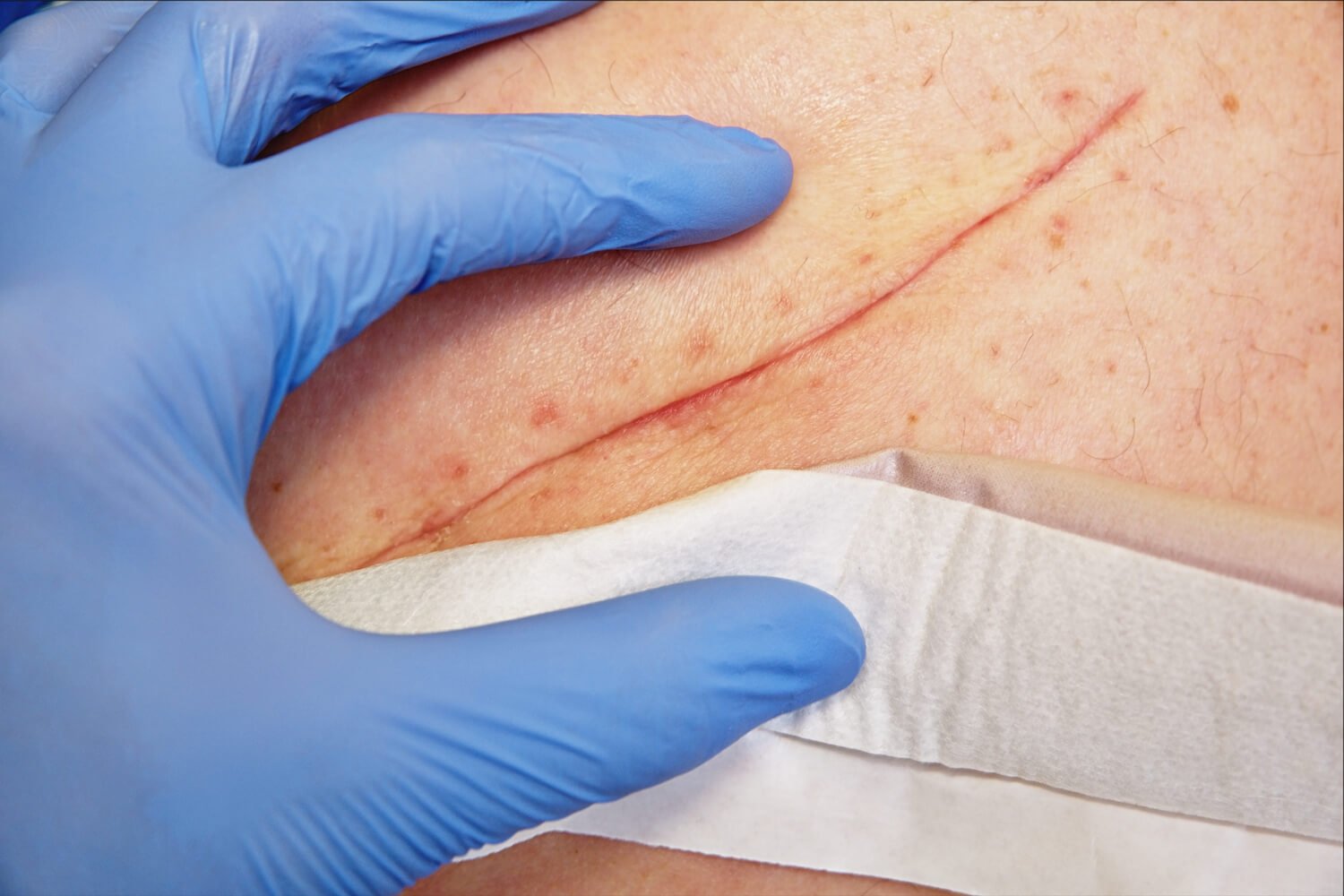
You are a patient who has just undergone surgery, and you present within days after surgery with the skin around your incision feeling red, swollen, or painful. This could be an SSI-infection in the location of your surgery. SSIs may be superficial or localized and confined to the skin itself; however, they may also be deeper or more invasive and extend within the tissues to organs or even into the bloodstream. If not treated, these infections can take very serious turns, requiring longer stays in hospital, more medicines, and even sometimes additional surgeries as well.
Why So Prevalent in India?
It is a fact that the percentage of SSIs is much higher in India than most developed countries and there are a couple of reasons for it.
- Overcrowding and under-equipped hospitals: The vast public hospitals in India get day by day more and more patients. As the percentage of doctors, beds, and equipment in such public hospitals is not considerable, it is difficult to maintain a close rate of infection control that is prerequisite to ward off SSIs. This would expose the patient to the bacteria during his stay at the hospital.
- Hygiene problems: Most of the healthcare places find it challenging to keep operating rooms and medical tools strictly sterile. The world-class facilities in small hospitals, especially in rural regions, suffer with cleanliness problems, thereby increasing the risks of infections.
- Antibiotic Resistance: Antibiotics are prescribed liberally or abused in India. Because of this, some strains of bacteria have been developed. Such bacteria might be resistant to antibiotics but are hard to treat. If such bacteria induce SSIs, it sometimes becomes very difficult to eradicate at times requiring stronger, more expensive treatments.
How do SSIs occur?
- Surgical Site Infections are those infections that develop at or after surgery due to entry of bacteria into the body. In India, these surgical site infections are mostly due to:-
- Staphylococcus aureus (including MRSA): The bacterium is a normal flora on skin but would cause an infection if it entered the surgical wound. However, what complicates treatment is methicillin-resistant Staphylococcus aureus (MRSA), as it is resistant to most antibiotics.
- Escherichia coli: This may be one of the most often found bacteria in the gut, but this can drastically lead to infection when it contaminates surgical wounds, especially with abdominal surgeries.
- Pseudomonas aeruginosa: These organisms inhabit the hospitals and grow well when there are moist conditions. They are likely to cause infections of open wounds, particularly among the immunocompromised.
- Klebsiella species: This is one of the frequent pathogens for nosocomial infections. It is, as a rule, sensitive to broad-spectrum antibiotics; thus, it becomes tricky for treatment.
Why Some Patients Are More Vulnerable
It is not that all patients are equally vulnerable to SSI. There are some predisposing risk factors such as:
- Pre-existing health conditions: A patient who has diseases, such as diabetes or obesity, or a lowered immunity state is more susceptible to infections. It is because their bodies may not be able to effectively perform functions to fight off the said infections.
- Type of surgery: Various types of surgery expose patients to a higher risk of developing infections more than other procedures. Such include operations on the abdomen, emergency surgeries, or those that take longer than an hour.
- Hospital care: An enormous scope exists in the circumstances of the hospitals, starting from the hygiene of the operating theatre and covering sterilization equipment as well. Among the largest factors why SSIs occur to patients in hospitals where infection control practice is not strictly followed.
Role of Hospitals in the Prevention of SSIs
Hospitals are at the forefront where the prevention of SSIs begins. Here is what Indian hospitals must focus upon:
- Infection control practice. Hospitals ensure that tools used in surgery are sterilized appropriately and the surgical rooms are kept clean. Programs that enforce hand hygiene among clinical workers reduce incidence of bacteria drastically.
- Antibiotic stewardship: Inpatient antibiotic use should be managed judiciously. Overuse of antibiotics leaves behind a drug-resistant history. Hence, prescription of antibiotics should be done only when it is absolutely essential to the patients. Then it would become even harder to treat the drug-resistant bacteria that follow from overuse.
- Educating the health workers: The patient results will be enhanced with constant training on infection prevention among the doctors, nurses, among others. It can also guarantee that every surgical procedure carried out is done according to the highest standards of care.
- Infection surveillance: Hospitals are assumed to be aware of their infection rates. If conditions and possible outbreaks are recognized early, they can take timely action to enhance conditions and prevent more infections from occurring.
What Can Patients Do to Lower Their Odds of SSIs?
The patient, also have a role to play in the prevention of SSIs. Here are some steps you can take toward your protection:
PRE-SURGERY PREPARATION As instructed by your doctor, whether showering with antiseptic soap or not eating certain foods or taking certain medications, these all may be measures taken to avoid infection.
Help prevent infection of the surgical wound after you leave the hospital: Make sure your surgical wound stays infection-free after you leave the hospital. Your healthcare provider will give you written instructions on wound care. Follow them.
Watch for signs of infection: Redness, swelling, increased pain, warmth around the incision site, or discharge that looks like pus suggest infection. Tell your healthcare provider if you notice any of these signs right away.
Conclusion: The Next Step to Safer Surgery
SSI’s are a grave problem in India but can be prevented. Therefore, the rate of SSI’s can be wonderfully lower by improving hygiene practices and controlling the use of antibiotics as well as spreading awareness among the both healthcare workers and patients. Patients also play an important role and are proactive for following advice from the healthcare providers and keeping a check on their recovery. Thus, with adequate and proper awareness and precautions, we are likely to head towards a future when SSIs will be of less concern to the surgical patients in India.
Reference