


Kalaikaruna.K
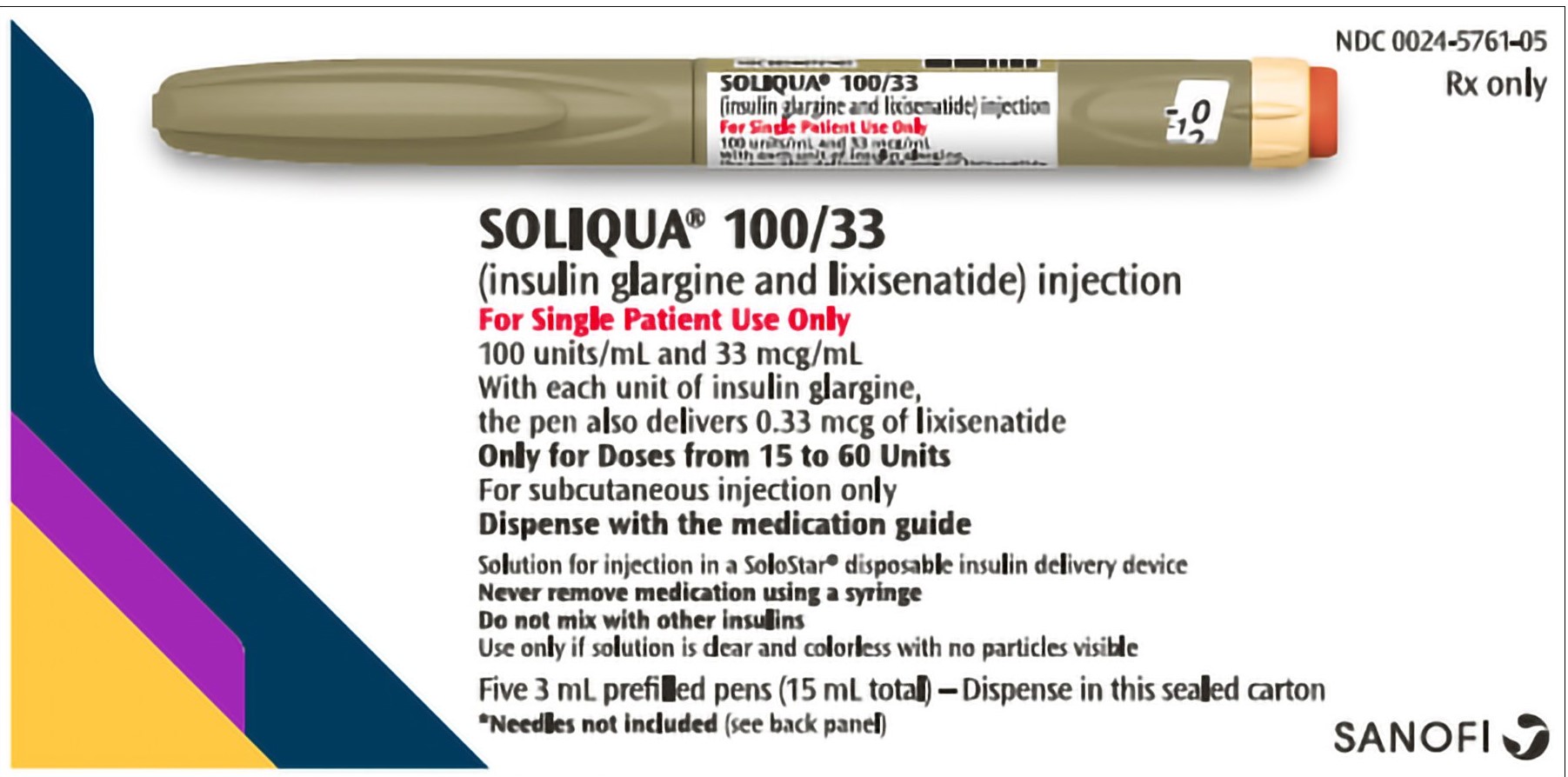
One well-known prescription drug is Soliqua 100/33. For individuals with type 2 diabetes, it is used in conjunction with diet and exercise to lower blood sugar levels.
Two medications are included in Soliqua 100/33:Long-acting insulin glargine and lixisenatide is a member of the class of medications known as glucagon-like peptide 1 (GLP-1) receptor agonists. Soliqua 100/33 is available as an injectable pen that is intended for subcutaneous (self-injection) use. There are 33 microgrammes (mcg) of lixisenatide and 100 units of insulin glargine per millilitre (mL) of medication solution in each pen. Exogenous insulin such as insulin glargine is necessary to lower plasma glucose levels since endogenous insulin production progressively decreases as type 2 diabetes worsens. Insulin is a standard treatment for type 2 diabetes but side effects including weight gain and hypoglycemia can restrict how well it works.
GLP-1 analogues like lixisenatide are strong medications that lower plasma glucose levels and replicate the actions of endogenous GLP-1. Soliqua 100/33 has proven to be successful in managing type 2 diabetes. In a clinical trial, Soliqua 100/33 was evaluated in individuals with type 2 diabetes who had been prescribed long-acting insulins for at least 6 months. After receiving Soliqua 100/33 treatment for 30 weeks, these individuals experienced a decrease in hemoglobin A1C (HbA1c) of 1.1 percent. Their fasting blood sugar levels had also decreased by 5.7 mg/dL. The prescribed amount of soliqua depends on the patient’s prior use of oral anti-diabetes medications or insulin needs.
Reference:
https://www.ncbi.nlm.nih.gov/books/NBK541767/ https://www.medicalnewstoday.com/articles/326231