



Sowndharya. S
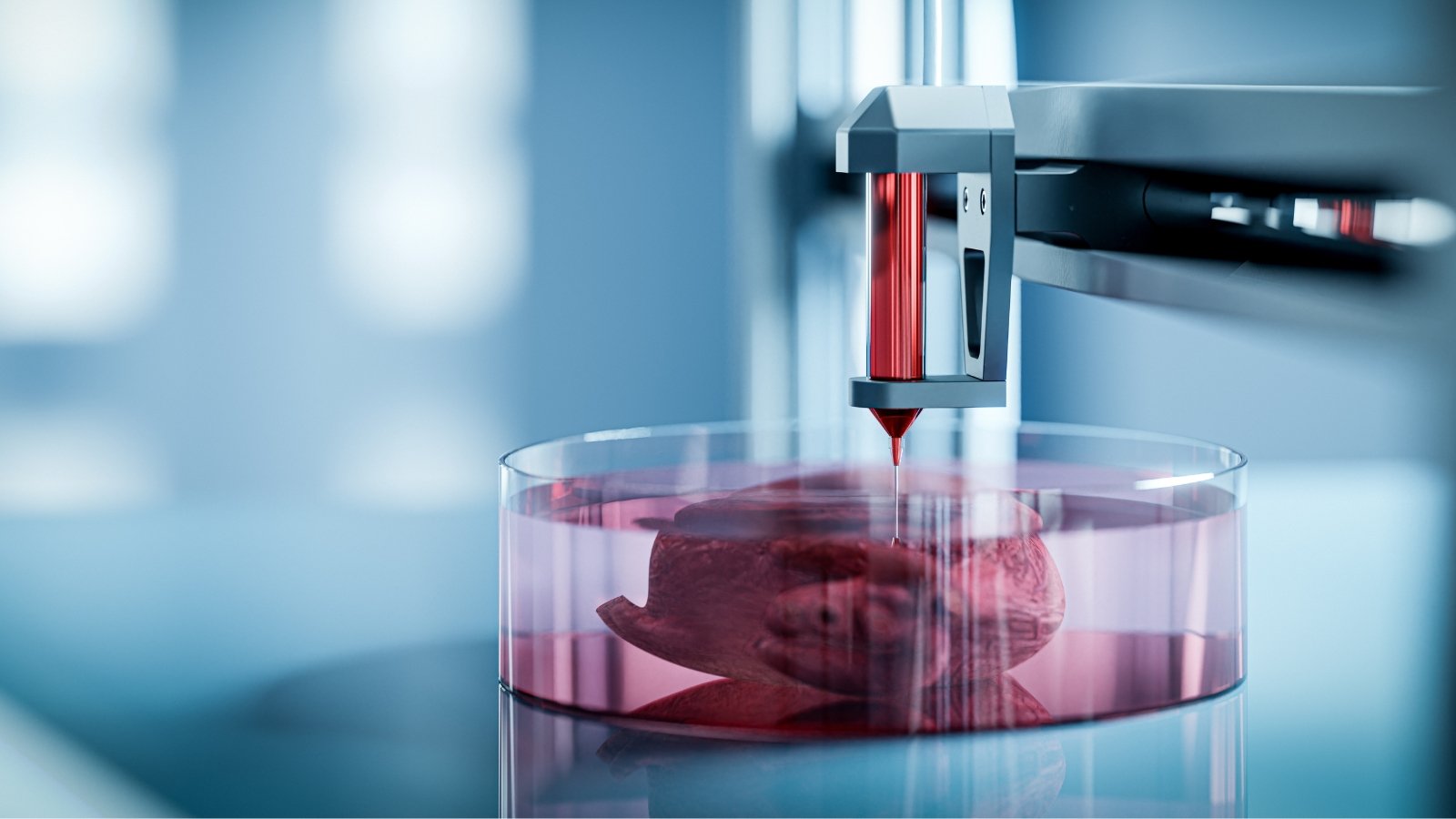
Organs made via 3D printing are biologically accurate and functional copies of real bodily components. They are created using cellular bio-inks and are cultured artificially in a laboratory. Using a three-dimensional printer or other computer-aided design software are known as 3D-printed organs. The software builds a 3D-printed organ layer by layer using biological components, including human tissue, and refers to a digital file. The ultimate objective is to provide organs for urgently needed transplants and a variety of additional medical applications. 3D-printed organs may seem like cutting-edge technology, but they are actually outdated. In 1999, researchers at the Wake Forest Institute for Regenerative Medicine successfully implanted a bladder, the first 3D-printed organ, into a human. And after more than a few decades, it is still operating at full capacity. Bio-ink is a cellular mixture used to create 3D-printed organs. Cultured cells are typically combined with biopolymer hydrogels, such as gelatin or alginate, to create bio-ink, which aids in the scaffolding of organ structures and shields living cells while printing. The organ that researchers are attempting to artificially imitate must be taken into consideration before developing a bio-ink. From there, researchers take stem cells—”blank” cells that have no specific purpose—from the patient. These cells specialize to perform a particular purpose through a process called cell differentiation. The use of human tissue in 3D printing is now limited to clinical studies in research labs. For example, a clinical experiment by 3DBio Therapeutics is using the patient’s own cells to create ear prosthesis. For hollow bioprinted objects with straightforward geometry and architecture, such as skin, cartilage, and bladders, the study—which is presently the only one of its kind—is a promising first step
REFERENCE
1. Ventola, C. Lee (October 2014). “Medical Applications for 3D Printing: Current and Projected Uses”. Pharmacy and Therapeutics. 39 (10): 704–711. ISSN 1052-1372. PMC 4189697. PMID 25336867