


Reshmi Fathima
A rare genetic disorder that impairs the development and function of the immune system. It is a type of primary immune deficiency (also called an inborn error of immunity). Various genetic changes can lead to this condition. The best-known form of autosomal recessive.Severe combined immunodeficiency (SCID), also known as Swiss-type agammaglobulinemia, is a disturbed development of functional T cells and B cells caused by numerous genetic mutations that result in differing clinical presentations.
CAUSE :
SCID in some patient is caused by adenosine deaminase (ADA) deficiency, in which infants lack the ADA enzyme necessary for T-cell survival. Adenosine deaminase (ADA) deficiency, sometimes called ADA SCID, is caused by a mutation in the gene that encodes the protein called adenosine deaminase. The ADA protein is needed by all cells in the body to produce new DNA. The protein works by breaking down toxins in the body that would destroy the white blood cells.
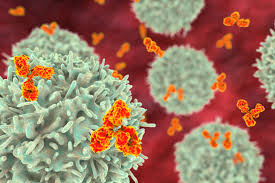
A group of hereditary disorders linked to defects of at least 17 different genes. These defects affect lymphocytes, a type of white blood cells, that become T cells, B cells and natural killer (NK) cells. T cells are the helper cells in the blood stream that encourage other cells in the body to respond to foreign substances and combat infections. In addition, some T cells are also able to directly detect and destroy infected or diseased cells. B cells produce antibodies that attack foreign substances such as viruses and bacteria. NK cells, like their name implies, are typically involved in the direct killing of diseased cells. In SCID, the immune-protecting skills of both T cells and B cells are affected.
TYPES :
There are almost 20 different types of severe combined immunodeficiencies. Some of the commonly known types are classified according to their gene and their relation to the number of T cells, B cells, and NK cells.There are more than 15 recognized kinds of SCID, but the most common type, known as SCID-X1 (for “X-linked severe combined immunodeficiency”), involves a defect in a gene on the X chromosome. Because girls have two X chromosomes while boys have only one, SCID-X1 affects only male children. However, girls can be “carriers” and can pass the disorder on to their own sons later in life.
SYMPTOM :
Symptoms of SCID occur in infancy and include serious or life-threatening infections, especially viral infections, which may result in pneumonia and chronic diarrhoea. Candida (yeast) infections of the mouth and diaper area and pneumonia caused by the fungus Pneumocystis jirovecii also are common.failure to thrive, often serious respiratory infections and other bacterial, viral, or fungal infections that can be serious and hard to treat, such as:
- ear infections (acute otitis media)
- sinus infections (sinusitis)
- skin rashes
- meningitis
- pneumonia
SCREENING:
The screening of the foetus for the disease of severe combined immunodeficiency is done by using quantity oriented polymerase chain reaction to measure the total number of T lymphocyte. Evaluation for T-cell lymphopenia using a T-cell receptor excision circle assay, which can be performed on the dried new born blood spot.
TREATMENT:
BMT (bone marrow transplant or blood stem cell transplant ) only known cure for SCID .it replaces unhealthy immune system with a healthy one . Without treatment, these children typically do not survive past two years of age. However, if a child with SCID is diagnosed
and treated within the first few months of life before any serious infections develop, their long-term survival rate is more than 90%. Studies also have shown that gene therapy can be an effective treatment for some types of SCID, including X-linked SCID. other treatment includes:
Antibiotics to treat any current infections and prevent new infections, Immunoglobulin replacement, Restricted contact with other people to prevent exposure to new infections and Enzyme therapy
REFERENCE:
https://www.niaid.nih.gov/diseases-conditions/severe-combined-immunodeficiency-scid#:~:text=The%20best%2Dknown%20form%20of,necessary%20for%20T%2Dcell%20survival.
https://www.ncbi.nlm.nih.gov/books/NBK539762/
Biggs, C. M., Haddad, E., Issekutz, T. B., Roifman, C. M., & Turvey, S. E. (2017). Newborn screening for severe combined immunodeficiency: a primer for clinicians. CMAJ : Canadian Medical Association journal = journal de l’Association medicale canadienne, 189(50), E1551–E1557. https://doi.org/10.1503/cmaj.170561