



Medodrix
Dengue fever is caused by the dengue virus, which exists in four distinct serotypes (DEN-1, DEN-2, DEN-3, and DEN-4). The virus is transmitted to humans primarily through the bites of infected Aedes mosquitoes, mainly Aedes aegypti and Aedes albopictus. The symptoms of dengue range from mild to severe, including high fever, severe headache, joint and muscle pain, rash, and, in some cases, life-threatening conditions such as dengue hemorrhagic fever (DHF) and dengue shock syndrome (DSS). Dengue is a major public health concern, particularly in tropical and subtropical regions, where it infects millions of people annually and places a significant burden on healthcare systems.
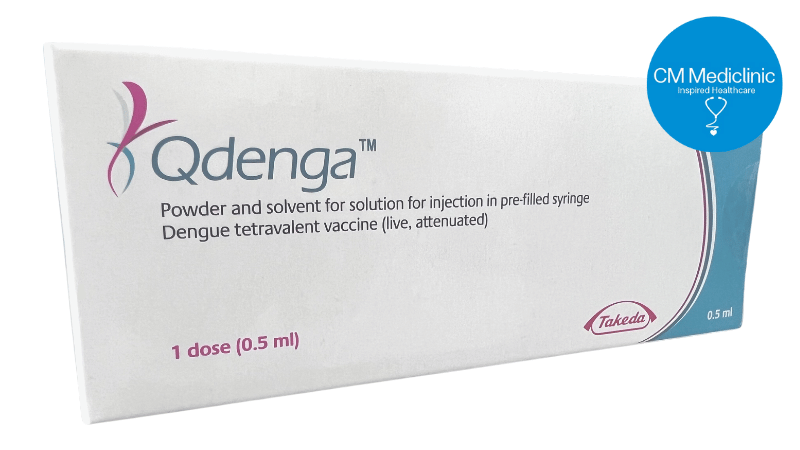
QDENGA (also known as TAK-003) is an innovative dengue vaccine developed by Takeda Pharmaceuticals. It is a live-attenuated vaccine, meaning it uses a weakened form of the virus to stimulate the immune system to generate an immune response without causing disease. QDENGA aims to provide protection against all four dengue virus serotypes, which is a crucial aspect of its development, as previous vaccines have struggled with this challenge. This is essential because the dengue virus can mutate, and immunity from one serotype doesn’t provide protection against the others. By protecting against all four, QDENGA can reduce the risk of both primary and secondary dengue infections, as well as mitigate the chances of developing severe dengue upon reinfection.
Clinical Trial Results:
The clinical development of QDENGA has been robust, involving several phases of clinical trials across multiple countries, particularly in regions where dengue is endemic. Some key findings from Phase 3 trials of QDENGA include:
- Efficacy Rate:
- QDENGA has shown an overall efficacy of around 80% in preventing symptomatic dengue, and over 95% efficacy in preventing severe dengue in 9
- =-0987543213`21`5Gwq`individuals aged 4 years and older.
- The vaccine was effective across all four serotypes, making it one of the first dengue vaccines to demonstrate balanced protection against DEN-1, DEN-2, DEN-3, and DEN-4.
- Safety Profile:
- The safety profile of QDENGA has been promising, with mild side effects such as pain or redness at the injection site, low-grade fever, and headache. Importantly, there have been no major safety concerns identified in the trials.
- Trial Locations:
- The vaccine was tested in diverse dengue-endemic regions, including Southeast Asia and Latin America, where the burden of dengue is particularly high. Trials involved over 20,000 participants across various age groups, ensuring a comprehensive understanding of the vaccine’s performance in different populations.
The introduction of QDENGA into the global vaccine arsenal could have a transformative impact on dengue control efforts, especially in endemic regions such as Southeast Asia, Latin America, and the Caribbean. If rolled out widely, QDENGA has the potential to reduce the burden of dengue, prevent severe dengue, broader vaccination coverage, and cost effectiveness
REFERENCE
- Takeda Pharmaceuticals: QDENGA Vaccine Information
- World Health Organization (WHO): Dengue Vaccine Guidelines: https://extranet.who.int/prequal/sites/default/files/vwa_vaccine/FVP-P-439_Dengue_1dose_Takeda_WHOPAR-2024_0.pdf
- ClinicalTrials.gov: TAK-003 Clinical Trial Results: https://doi.org/10.1016/S2214-109X(23)00522-3
- The Lancet: QDENGA Vaccine Phase 3 Study