



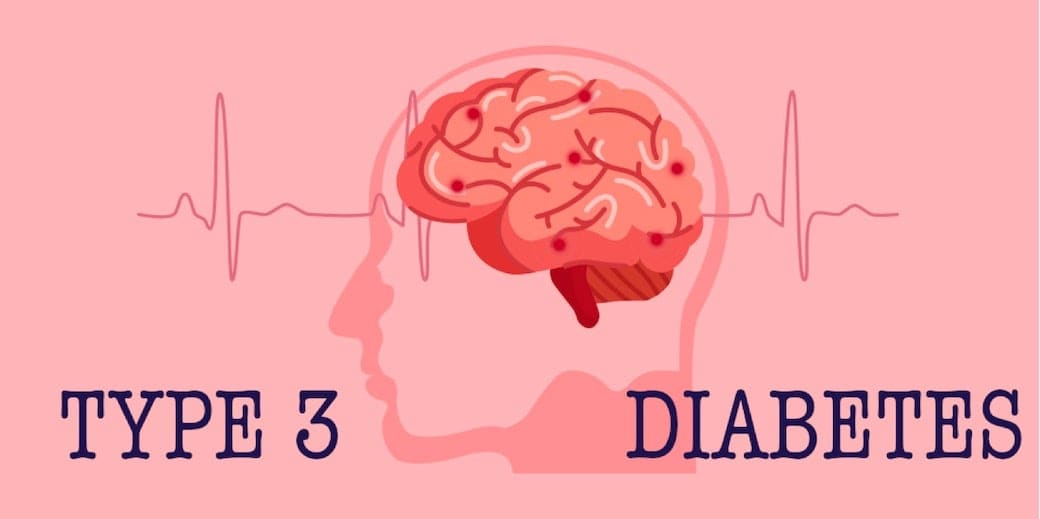
Alzheimer Associated Diabetes Mellitus, commonly known as Type 3 Diabetes Mellitus (T3DM)
- 26 Nov, 2024
- Com 0
Medodrix
In recent years, a growing body of research has suggested a significant connection between Type 2 diabetes mellitus (T2DM) and Alzheimer’s disease, two of the most prevalent chronic conditions affecting millions of people worldwide. Once thought to be separate, these conditions are now understood to share a complex relationship that may have important implications for prevention and treatment.
Type 2 diabetes is primarily characterized by insulin resistance, where the body’s cells become less responsive to insulin, and eventually the pancreas can’t produce enough insulin to maintain normal blood sugar levels. As a result, blood glucose levels rise, leading to long-term complications, including cardiovascular disease, kidney damage, and neuropathy.
People with Type 2 diabetes often also experience chronic inflammation, increased oxidative stress, and vascular issues, all of which can damage various organs, including the brain.
Alzheimer’s disease, the most common form of dementia, is a neurodegenerative disorder that affects memory, thinking, and behaviour. It is primarily characterized by the build-up of amyloid plaques and neurofibrillary tangles, which disrupt communication between brain cells and lead to their degeneration. Although the exact cause of Alzheimer’s remains unclear, it is widely believed that a combination of genetic, environmental, and lifestyle factors contribute to the disease.
The connection between Alzheimer’s and Type 2 diabetes centres around insulin resistance in the brain. Research has shown that insulin isn’t just important for regulating blood glucose levels but also plays a crucial role in the brain. It helps regulate memory and cognitive function by supporting the survival of neurons and promoting communication between brain cells.
In people with Type 2 diabetes, insulin resistance can extend beyond peripheral tissues like muscles and fat, to the brain, leading to impaired insulin signaling in neurons. This can exacerbate cognitive decline and promote the pathogenesis of Alzheimer’s disease.
Several mechanisms may explain why individuals with Type 2 diabetes are at an increased risk for developing Alzheimer’s such as insulin resistance in the brain, increased inflammation, oxidative stress, vascular damage and amyloid plaque formation. All these mechanism contributes to the level of neurotoxic effects and brain cell damage in some way or the other.
There is always a preventive measure to avoid the risk of Alzheimer’s disease in T2 Diabetes patients, that includes the blood sugar control, low glycemic diet, enriched intake of antioxidants and omega 3 fatty acids, and physical activity is a key to connect the brain and body together. There are currently the clinical trials going for testing the effectiveness of the Antidiabetic drugs in AD that can be associated with the neuro-protective effects.