



Reshmi Fathima
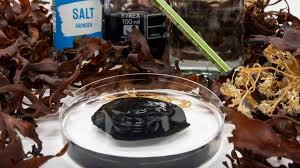
Nanocomposite are delicate, stretchy, elastic polymer-based materials with a nanomaterial blended into them. Seaweed is a plant-like life form that develops in intertidal, shallow, and profound coastal waters of oceans and needs daylight and substratum to develop. It does not have roots to provide supplements since the whole life form is included in nutrient absorption and photosynthesis. Seaweed is ruling photosynthetic life forms that develop quickly and yields 6 to 40 times more than earthly plants, because of their natural features, they may develop in a variety of conditions without the require for pesticides. Nanocomposite seaweed sensors show a breakthrough in wellbeing checking innovation. These sensors, carefully made from seaweed-based nanomaterials, display affectability and specificity in recognizing different biomarkers, crucial signs, and physiological parameters. Seaweed, abundant in our seas, harbours special properties that, when tackled through nanotechnology, offer extraordinary potential for healthcare applications. Its biocompatibility, adaptability, and supportability make it an perfect candidate for sensor development. The utilization of seaweed-based nanocomposites adjusts with maintainability objectives, advertising an eco-friendly alternative in sensor manufacturing. This approach not as it were upgrades execution but moreover diminishes the natural impression of healthcare technology. From wearable healthcare monitors to point-of-care diagnostic devices, the flexibility of seaweed-based nanocomposite sensors ranges over different healthcare spaces. Their non-invasive nature and biocompatibility hold guarantee for personalized and preventive healthcare Nanocomposite seaweed sensors epitomize the combination of supportability and advancement in healthcare technology a confirmation of our commitment to progressing patient-centric, eco-conscious arrangements. These ‘seaweed sensors’ offer an unused wearable innovation which tracks blood pressure, pulse, breathing and joint development in real time. Using nanocomposite seaweed in sensors to monitor health is an excellent concept that merges natural materials with technologies. These sensors can detect glucose levels, hydration, vital signs through sweat or saliva and even tiny movements.
Benefits:
1) Sustainability: eco-friendly and biodegradable
2) Cost effective: Seaweed is inexpensive and easily available
3) High sensitivity: Nanoparticles amplify detection capabilities, ensuring accurate and early health diagnosis
4) Flexibility: Easily wearable technology and also can be implanted
Uses:
1) Chronic disease management: Monitoring glucose for diabetes and pH for wound healing
2) Fitness and wellness: Tracking hydration, electrolyte balance or fatigue level